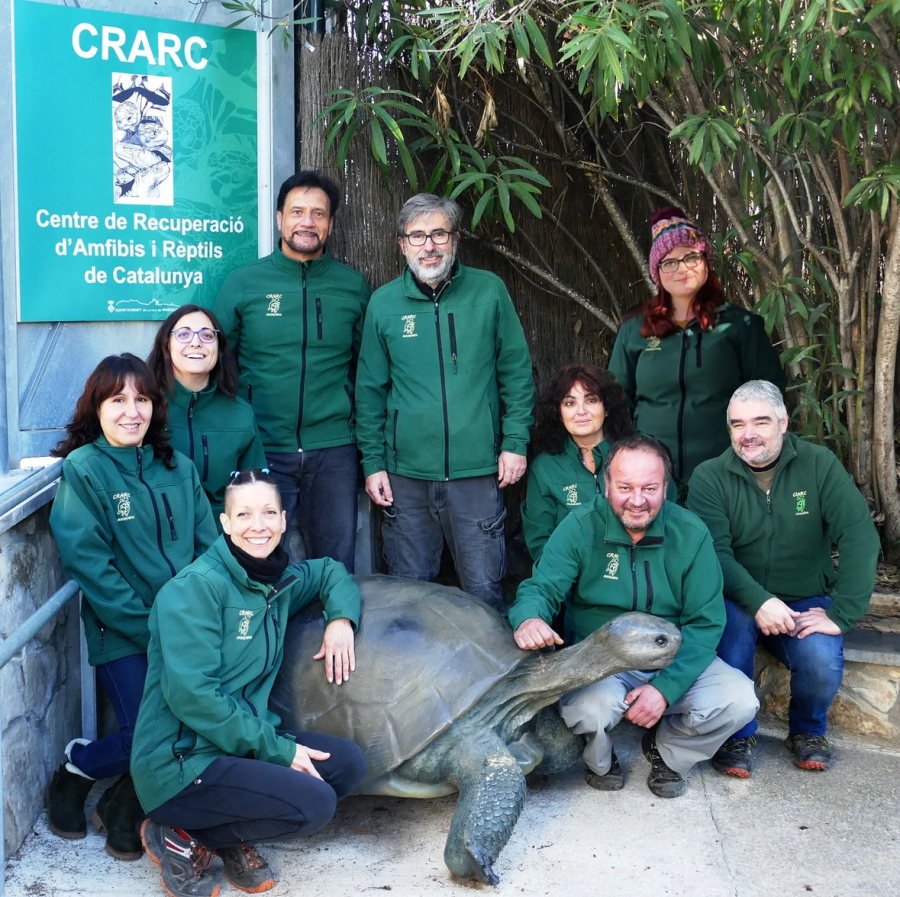
Conscientious travel is about much more than discovering new scenery or visiting unique sites: it’s an opportunity to make a positive impact on the local area and support initiatives that help to preserve it.
The Amphibian and Reptile Recovery Centre of Catalonia (CRARC), located in Masquefa, is one such initiative. For over three decades, this centre has worked on wildlife rehabilitation, scientific research and outreach, giving the public an opportunity to learn firsthand about a group of animals that are often misunderstood and unfairly stigmatised.
Commitment to conservation
Recognised by the Government of Catalonia in 1992 as a centre specialising in amphibian and reptile recovery, CRARC has emerged as a leader in this field both in Catalonia and in Spain.
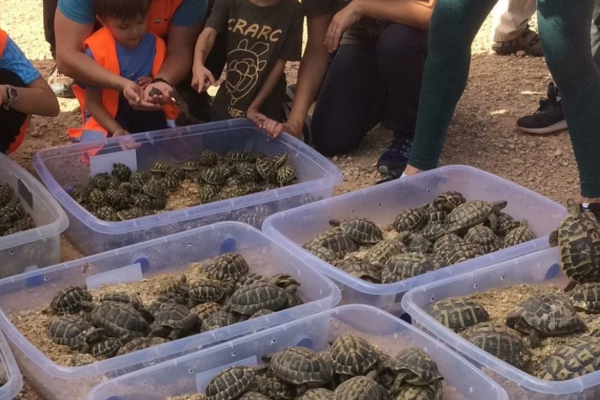
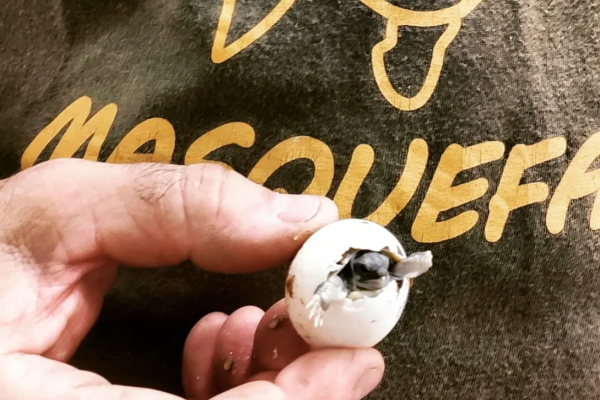
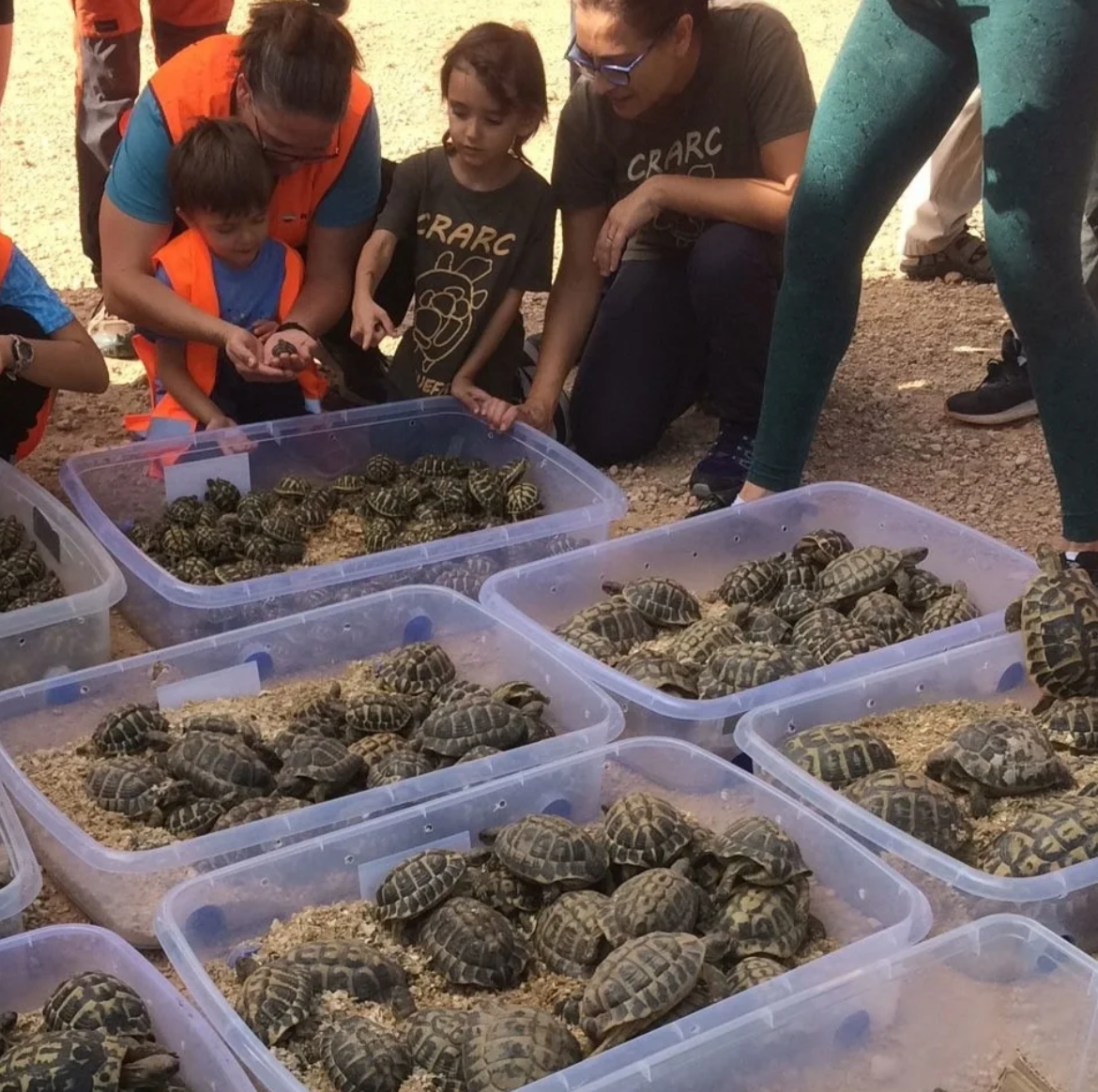
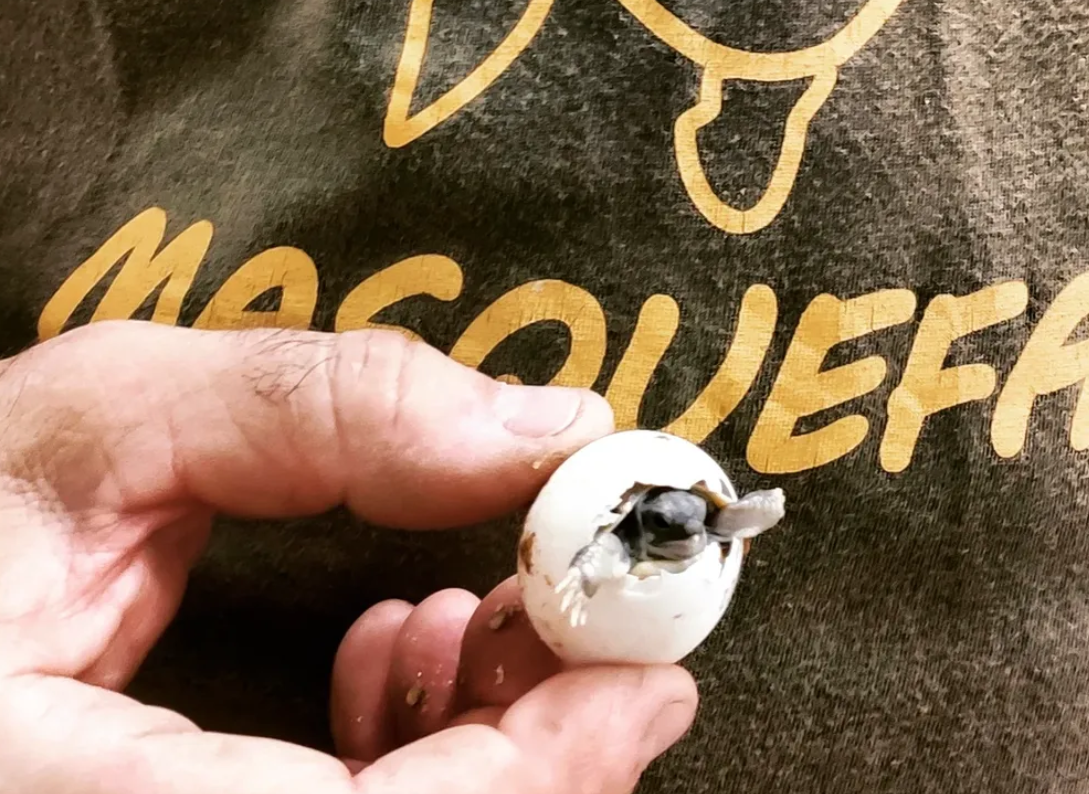
A core part of its work involves the rehabilitation of injured, confiscated or abandoned animals, with the goal of returning them to their natural habitat whenever possible. Hermann’s tortoise is one of the flagship species of its conservation programmes. In 2024 alone, the centre participated in the release of over 1,200 specimens.
In addition to veterinary care, the CRARC runs research projects, works with universities, public institutions and science centres and serves as a CITES rescue centre, playing a key role in the fight against illegal wildlife trafficking.
Visitors can learn more about its work firsthand through the visits it offers, an opportunity to discover how the centre operates and appreciate the passion and dedication of its professionals.
Discover, understand, protect
Visiting the CRARC means becoming part of its mission, with every ticket purchased helping to support the centre’s work and keep it going. The facilities offer an accessible route for people with reduced mobility and specific tours for people with hearing impairments, helping to make knowledge about nature accessible to as many people as possible.
The centre also offers educational activities for schools so that pupils can gain a deeper understanding of native wildlife. During their visits, pupils can see tortoises, geckos, newts and other amphibians and reptiles up close, an experience that helps dispel misconceptions about these species and understand the essential role they play in ecosystems.
The centre is part of the Sustainable Destination Barcelona programme, a certification that recognises organisations which incorporate environmental, social and economic criteria into their work and help make a positive impact on the local area.
Vitally important work
Biodiversity loss is a major environmental challenge, and the CRARC highlights the importance of research, conservation and education in protecting our natural heritage. Its work helps to generate knowledge, protect endangered species and raise awareness about the essential role of amphibians and reptiles in maintaining the balance of ecosystems.
Behind every animal rehabilitated lie years of experience, dedication and commitment; work that often goes unnoticed but is essential to ensuring that this natural heritage continues to be part of our future.
Find out more at crarc.amasquefa.com