Sustainable tourism management requires forums for dialogue where public institutions, business sector, organisations and residents share their perspectives and develop solutions to the challenges facing the destination. Barcelona is working along these lines through the Council on Tourism and the City (CTiC), an advisory body that is celebrating its tenth anniversary this year and has established itself as a key part of the city’s tourism governance model.
Coinciding with this anniversary, a study by the University of Barcelona’s Chair of Tourism, Hospitality, and Gastronomy (CETT) has found that the Catalan capital has one of the most advanced participatory governance models when it comes to tourism. The study compares various cities in Spain and across Europe and concludes that the strengths of Barcelona’s model include its robust institutional structure and its ability to involve a wide range of stakeholders in decision-making processes.
Ten years building consensus
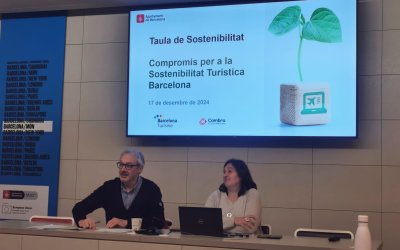
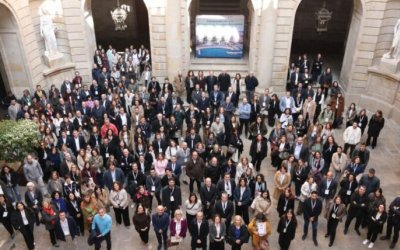
Since its creation, the Council on Tourism and the City has emerged as a standing forum for discussing the present and future of tourism in Barcelona. Over these past ten years, it has brought together around a hundred organisations and over 500 different participants in plenary sessions, committees and working groups, accumulating over 7,500 hours of debate and issuing numerous recommendations to inform public policy on tourism.
This collaborative work has helped strengthen an approach to tourism management based on participation, shared responsibility and consensus-building among the various stakeholders involved.
A governance model for taking on new tourism challenges
At a time when tourism is impacting cities and their residents more than ever, participatory governance is emerging as a key tool for ensuring the balanced development of tourism.
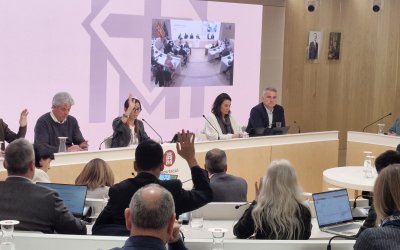
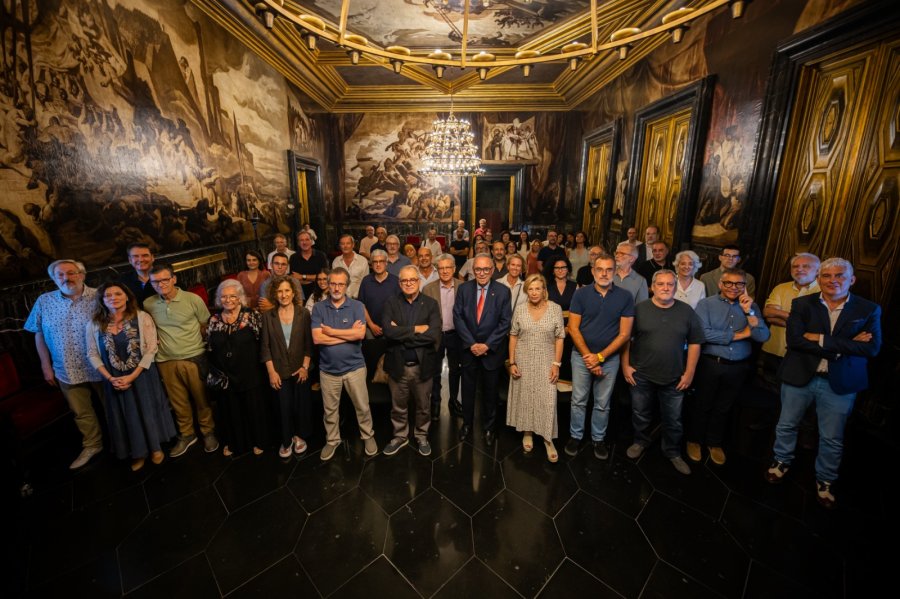
At the plenary session marking the CTiC’s anniversary on 8 July, the Deputy Mayor for the Economy, Housing, Finance and Tourism, Jordi Valls, highlighted the Council’s continued relevance in addressing the challenges posed by tourism. “Tourism has gained prominence on the political and media agenda to the point of becoming a central policy issue,” said Valls, stressing that, despite the complexity of the debate, “significant consensus has been built around the need to manage tourism.”
He reaffirmed the City Council’s commitment to managing tourism “without undermining quality of life in the city or residents’ right to remain here.” In this regard, the City Council has implemented measures such as the regulation of tourist coaches through the roll-out of the Zona Bus 4.0, the expansion of the High-Traffic Area management programme and the increase in the tourist tax on cruise ships calling at the port.
The event also addressed another major challenge for the coming years: developing new indicators to assess tourism beyond the number of arrivals or overnight stays. The Commissioner for the Management of Sustainable Tourism, José Antonio Donaire, is working on defining criteria that measure the social, economic and environmental effects of tourism more accurately and facilitate more informed decision-making.
An evolving model
The University of Barcelona study also notes that despite the model’s strengths, there is scope for further development. Identified priorities include strengthening the cross-cutting nature of participation, increasing the capacity to influence public policy, and streamlining work processes.
These conclusions underline the importance of continuing to create participatory forums that contribute to the development of a more sustainable, resilient and shared tourism model. Participatory governance not only helps improve decision-making, but also promotes a more transparent and balanced management that is better adapted to the needs of the local area and the people who live there.