The Tourism and City Council (CTiC), Barcelona’s advisory and citizen participation body on tourism matters, will promote the creation of new indicators to track the evolution and impact of tourism in the city. These new indicators aim to go beyond the traditional metrics currently in use, such as the number of visitors, overnight stays or economic impact, and will focus on other dimensions of tourism activity, particularly environmental and social, in order to measure, for example, the ecological footprint.
In the coming years, conventional data such as tourist volumes will be less useful for understanding the evolution of tourism. Once the measures announced by Barcelona City Council take effect, including the phasing out of tourist apartments by 2028 and the reduction of cruise terminals at the port, these figures are expected to stabilise over time.
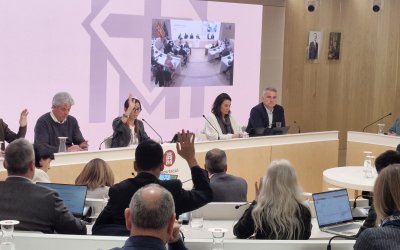
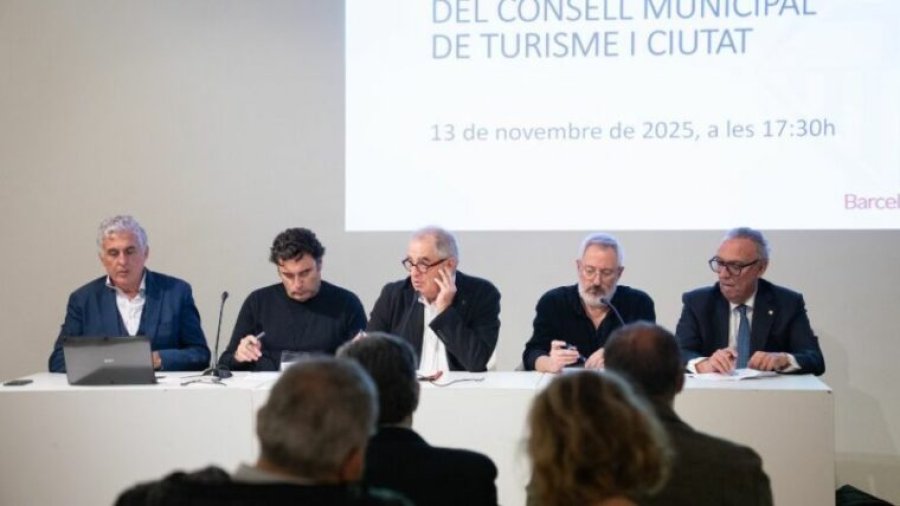
The initiative was presented during the last plenary session of the CTiC, the first chaired by José Antonio Donaire as Commissioner for the Management of Sustainable Tourism of Barcelona City Council, on 13 November. During the session, Donaire outlined the main lines of work for 2026, focusing on limiting tourism growth, distributing visitor flows, and diversifying demand.
In this context, the Commissioner emphasised the key role of CTiC in defining the city’s tourism model and requested the advisory body’s support in developing the master plan for High Traffic Areas, with the aim of reducing the impact of tourism in the most heavily visited zones.
Meanwhile, the Deputy Mayor for Economy, Housing, Finance and Tourism, Jordi Valls, welcomed the existence of a “minimum consensus on tourism”, which had not existed a decade ago when the Tourism and City Council was created. Valls also stressed the importance of taking the social impact of tourism into account and invited CTiC to work on this basis to shape the city’s tourism model over the next ten years with agreements that go beyond individual interests.