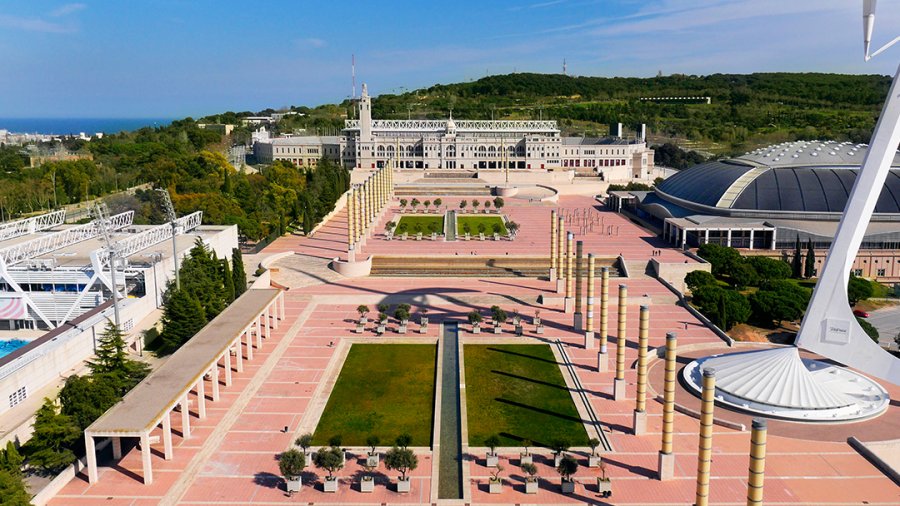
Few sites symbolise Barcelona’s transformation as eloquently as the Olympic Ring, one of the city’s main cultural, sporting and leisure attractions.
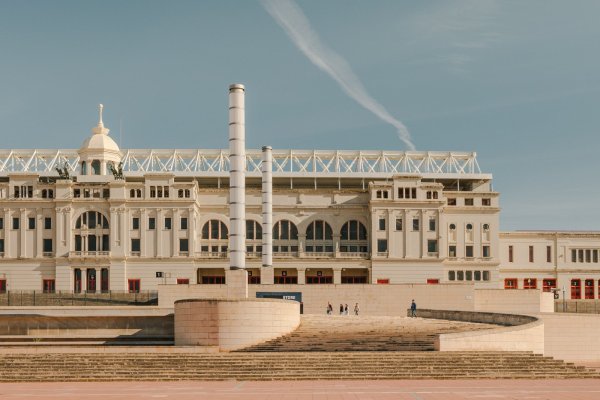
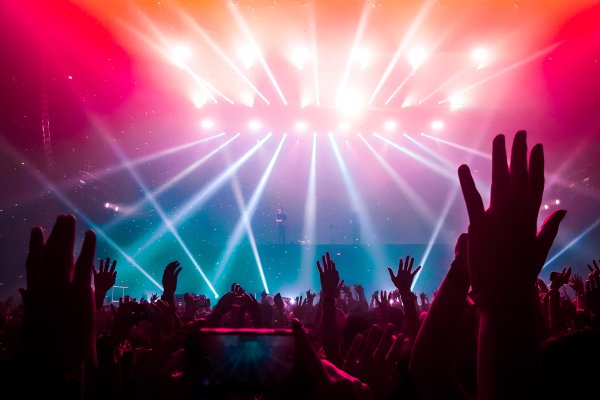
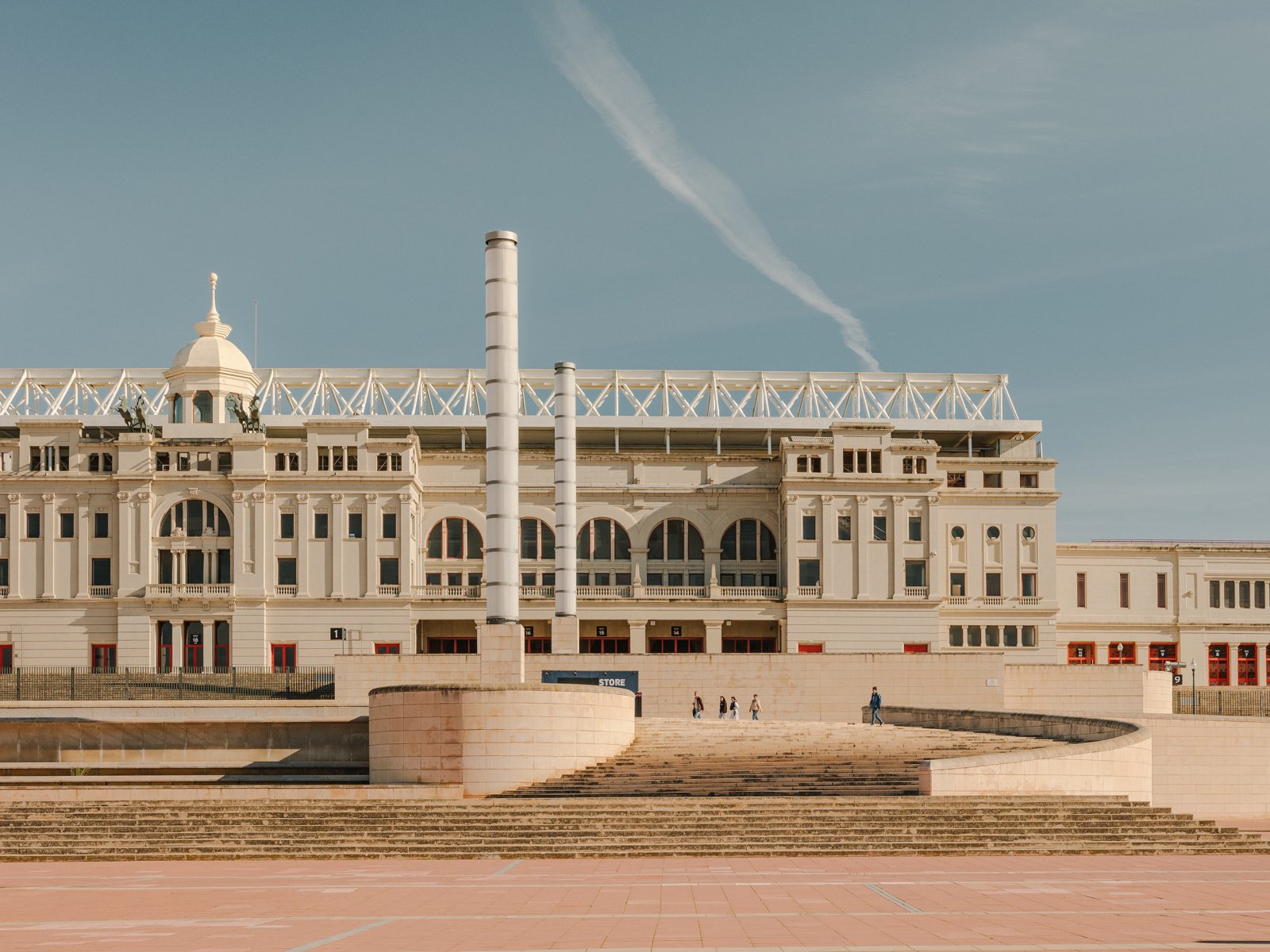
Built for the 1992 Barcelona Olympics, the Olympic Ring is made up of the Lluís Companys Olympic Stadium, the Palau Sant Jordi, the Sant Jordi Club and the Esplanada Olímpica. This complex hosts a wide-ranging, year-round line-up of concerts, sporting competitions, shows and corporate events that help preserve the Olympic legacy and establish the site as a gathering place for city residents and visitors alike.
A symbol of Barcelona
Beyond hosting major events, the Olympic Ring is one of the most iconic spots on Montjuïc and a must-see site for anyone interested in understanding contemporary Barcelona. Its prime location allows visitors to explore the complex and stroll around the mountain’s gardens and lookout points, soaking up the special atmosphere before, during and after each major event.
As for its venues, Lluís Companys Olympic Stadium hosts major competitions and shows. Next to it is the Palau Sant Jordi, an iconic arena designed by Arata Isozaki that has become one of Europe’s leading multi-purpose venues. Finally, the Sant Jordi Club provides a venue for smaller-scale concerts and events, while the Esplanada Olímpica serves as a large public gathering space.
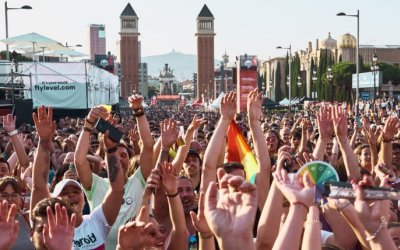
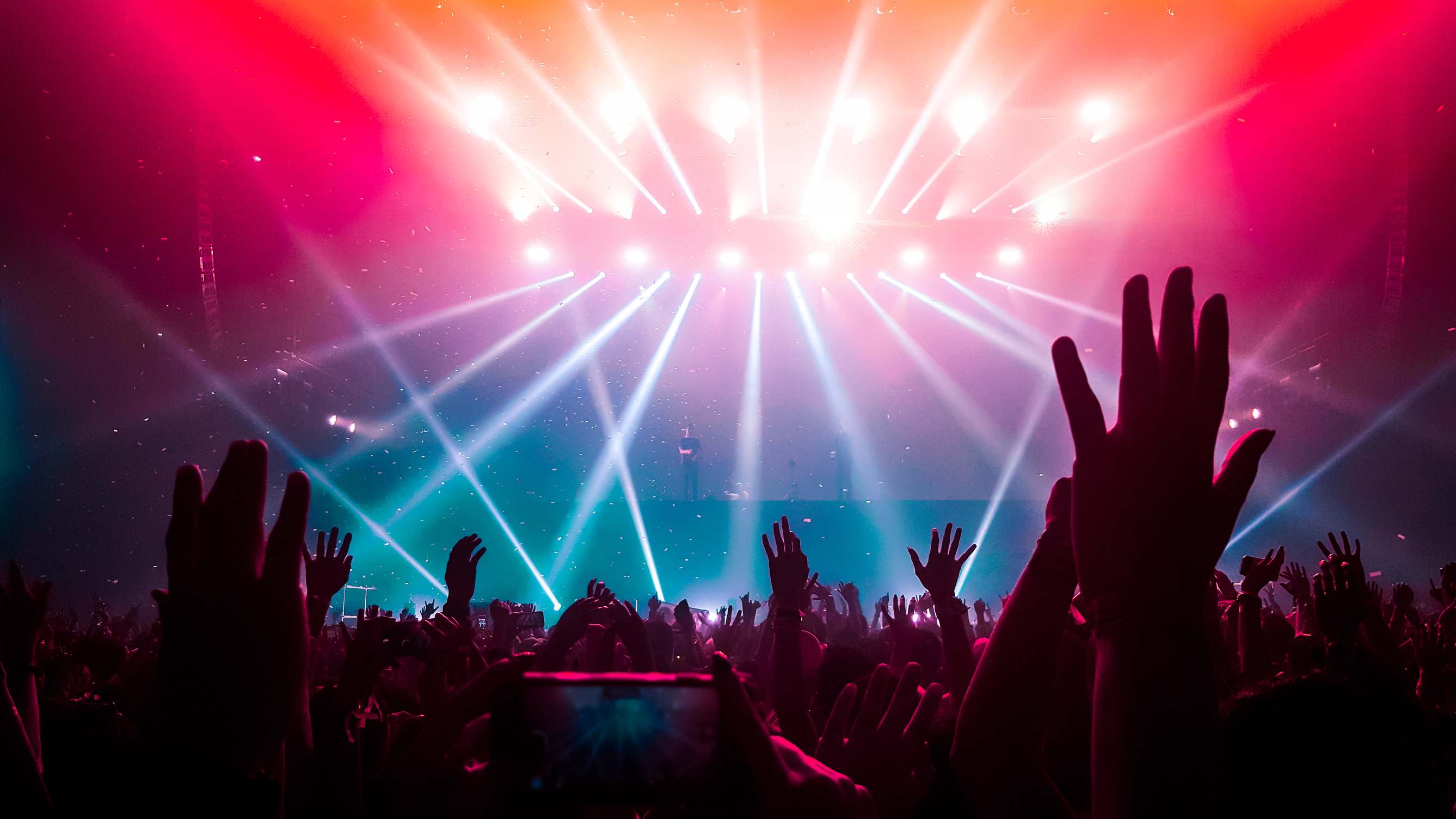
Whether cheering at a sporting competition, buzzing with the energy of a concert or joining in a major celebration with the people of Barcelona, the Olympic spirit is still very much alive in this unique part of the city.
Forward-looking values
Managed by Barcelona de Serveis Municipals (BSM), the Olympic Ring is part of the “Barcelona, a Sustainable Destination” programme, which accredits the implementation of environmental, social and governance best practices at these venues.
At such large events, sustainability is both a challenge and a responsibility, and the venue takes care over every detail. It’s easily reachable by public transport, which promotes more sustainable mobility, and the concentration of various facilities in one location also helps optimise logistics and reduce travel.
Measures are also being implemented to improve energy efficiency and water conservation, encourage waste reduction and sorting and, as part of BSM’s environmental and social strategy, promote increasingly responsible resource management. This work is complemented by awareness-raising initiatives aimed at promoters, organisers and eventgoers, with the goal of ensuring that each concert, competition or show reflects a respectful way to enjoy the city.
A constantly evolving legacy
Over thirty years after the 1992 Barcelona Olympics, the Olympic Ring continues to demonstrate that a great legacy must also be able to evolve. It’s now a living space that brings together culture, sport, leisure and responsible management, offering memorable experiences both for those discovering it for the first time and for those who return time and again.
Check out all the events at https://estadiolimpic.barcelona/en