The Cadí–Moixeró Natural Park is one of Catalonia’s great natural spaces and an can’t-miss destination for mountain lovers. Rich in contrasts, biodiversity and landscapes of extraordinary beauty, this park is driven by its commitment to raising awareness and taking care of both the environment and all those who visit it.
A haven for biodiversity
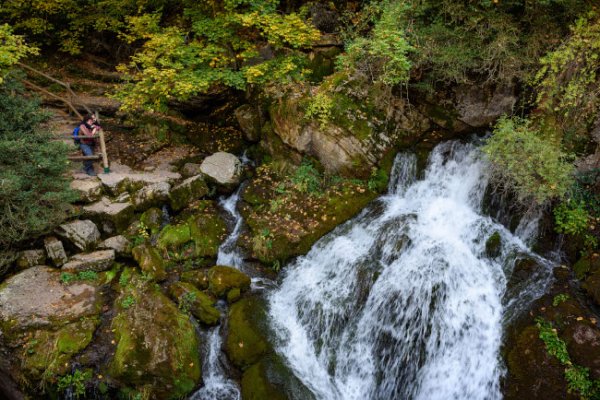
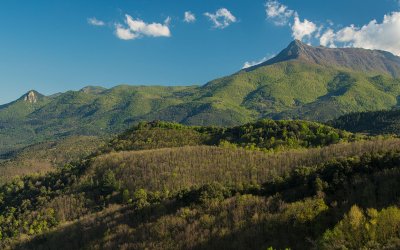
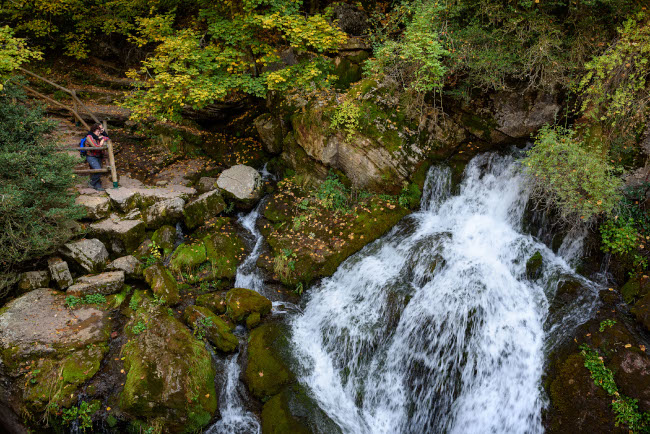
Its predominantly limestone landscape forms a geological mosaic with more than 500 million years of history. Highlights include the Pedraforca massif, cradle of Catalan mountaineering; the Prat de Cadí, a former glacial lake; and the Fonts del Llobregat, whose underground springs create a striking natural show.
The forests, made up of pinewoods, fir forests and centuries-old beech woods, are rich in history and environmental value. Their light and colours change with the altitude and the seasons, offering a visual diversity that invites visitors to return time and again.
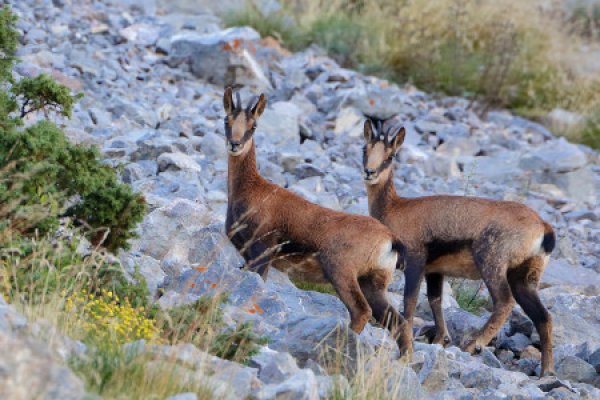
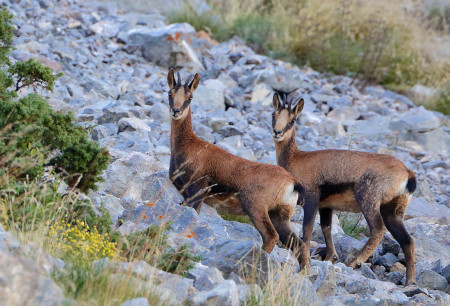
The park is home to nearly one third of all plant species found in Catalonia. Birdlife is particularly remarkable, ranging from Mediterranean species in the lower, sunnier areas to boreal and alpine birds at higher elevations. As for mammals, despite their discreet or nocturnal habits, chamois, red deer and roe deer can all be spotted.
A space open to everyone
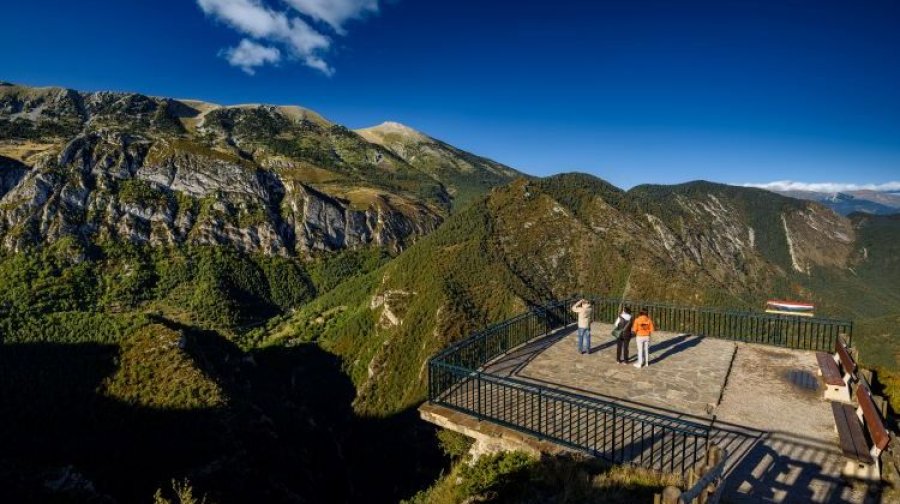
The park makes significant efforts to conserve the natural environment while offering a high-quality visitor experience. It boasts an extensive network of facilities, viewpoints, recreational areas, signposted trails and information points, allowing visitors to enjoy the park safely and respectfully. Accessibility is a key principle, with adapted routes that enable everyone to enjoy the park without limitations.
Collaboration and awareness-raising are also central to its approach, as evidenced by conservation projects such as butterfly micro-reserves, an initiative bringing together landowners, organisations and public authorities to protect threatened species. It is also reflected in its commitment to environmental education, with its own educational resources available to any organisation, school or individual who wishes to use them. Thanks to this responsible management model, the park has been awarded the Destination Barcelona Commitment to Sustainable Tourism certificate.
Trails steeped in history
With more than 400 kilometres of trails, the park invites visitors to slow down and reflect. Whether on foot, by bike or on horseback, entering the park is also a journey into the history of the local area.
One example is the Camí de Picasso, a trail used by harvesters going to work and later walked by the artist himself. Another is the Camí dels Bons Homes, or Trail of Good Men, linking the Sanctuary of Queralt with the Castle of Montségur. The Cathar religious minority fled along this route during the Crusades and the Inquisition. With this rich cultural heritage, any path you choose may lead to a prehistoric site, a fort or a building full of stories from the past.
A harmonious landscape
The Cadí–Moixeró Natural Park is much more than a protected area; it is a living space where landscape, biodiversity, history and community coexist in perfect harmony. Visitors are invited to discover the mountains respectfully, walk leisurely, and understand the importance of conserving both natural and cultural heritage. The destination clearly illustrates how sustainable tourism can become a tool for knowledge, appreciation and long-term commitment to the land.
Find out more here.