Sport is much more than competition: it represents well-being, values and community as a powerful tool that transforms people and cities. Barcelona is a clear example.
Since hosting the Olympics and Paralympics in 1992, Barcelona has continued to grow as a sporting city. There are more sport facilities than ever, and these facilities – including superblocks and parks with basketball courts, calisthenics areas, pétanque areas, table tennis tables and outdoor exercise equipment for older people – are more democratic than ever. At the same time, spontaneous urban sports such as skateboarding and parkour have had a direct influence on the design of new public spaces, conceived as more open, multifunctional and social environments.
Two key venues celebrating sport within this vibrant and accessible ecosystem are the Joan Antoni Samaranch Olympic and Sports Museum and the FC Barcelona Museum.
Sport as a universal language
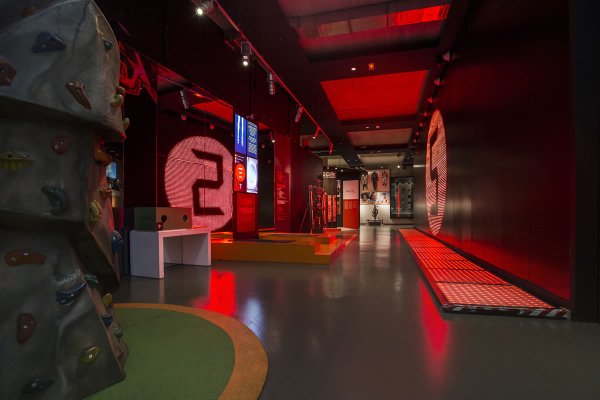
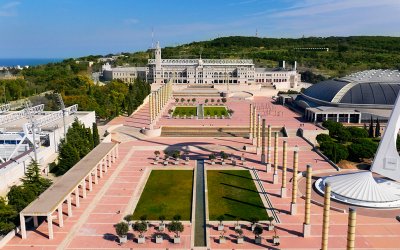
Located on Montjuïc mountain, next to the iconic Lluís Companys Olympic Stadium, the Joan Antoni Samaranch Olympic and Sports Museum offers an in-depth look at the world of sport.
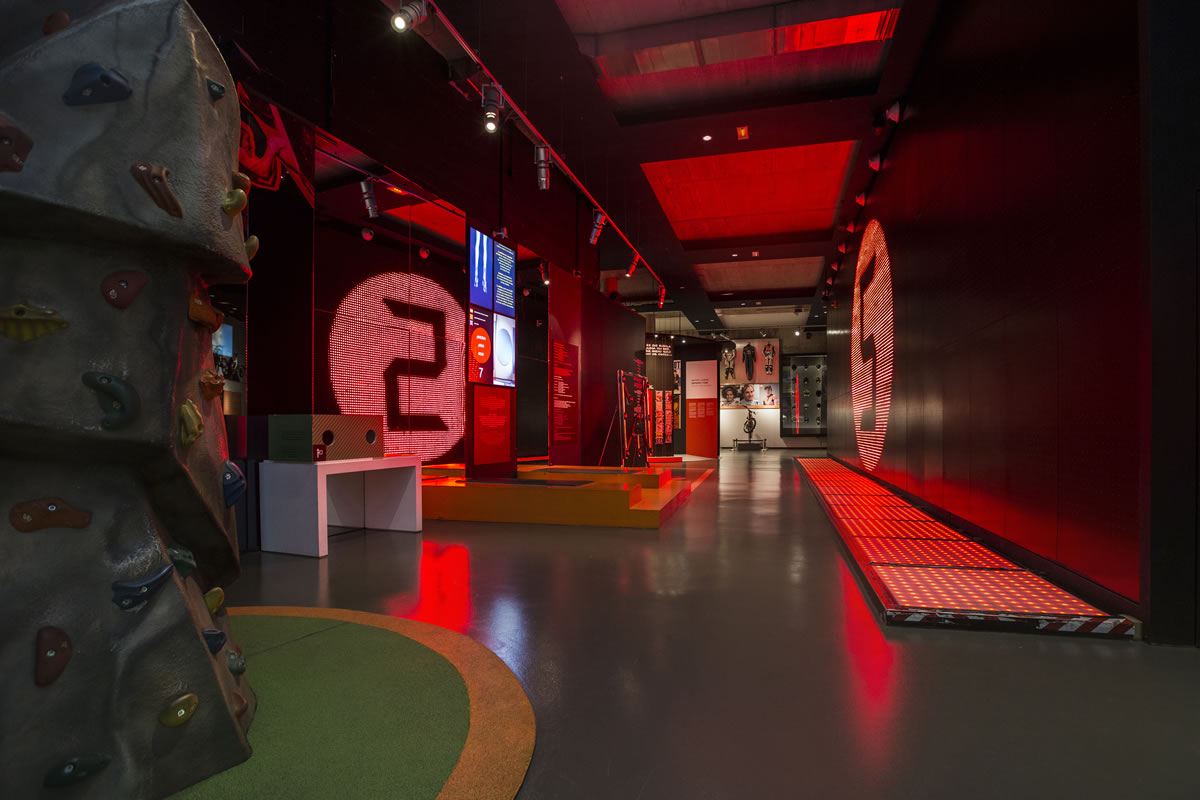
With more than 5,000 items on permanent display and an ongoing programme of temporary exhibitions, the museum presents a historical, engaging and educational view of sport in all its disciplines and formats, from elite performance to recreational sport, including for people with disabilities.
New technologies play a key role. With facilities that are breaking new ground in Europe, the museum invites visitors to relive historic moments, compete virtually and learn through dynamic, interactive activities.
Aside from the exhibition spaces, the museum also runs an educational programme aimed at students, focused on instilling values such as teamwork, fair play, discipline and tolerance. The goal is to contribute to the personal and social development of young people, teach them about the Sustainable Development Goals (SDGs), and foster stronger links between communities.
“Tot un clam”
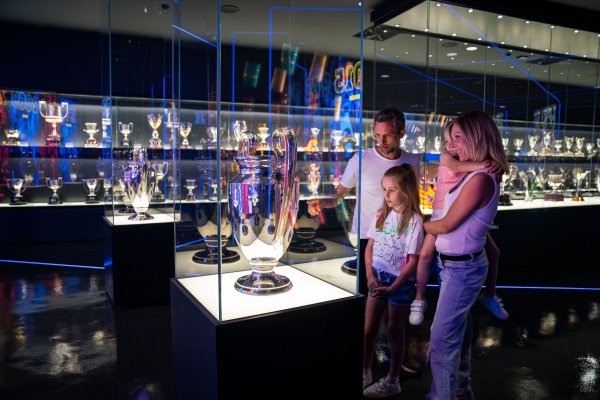
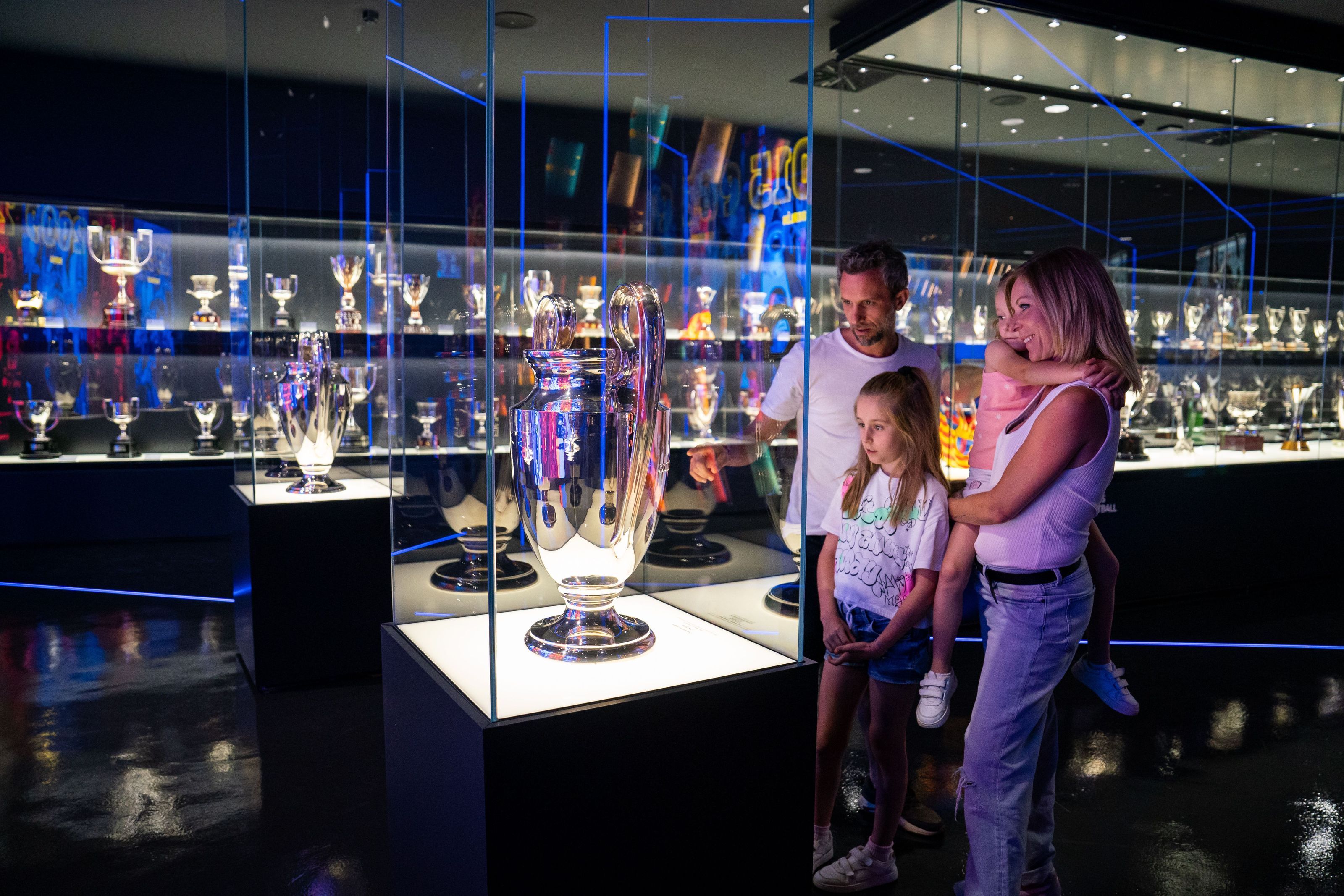
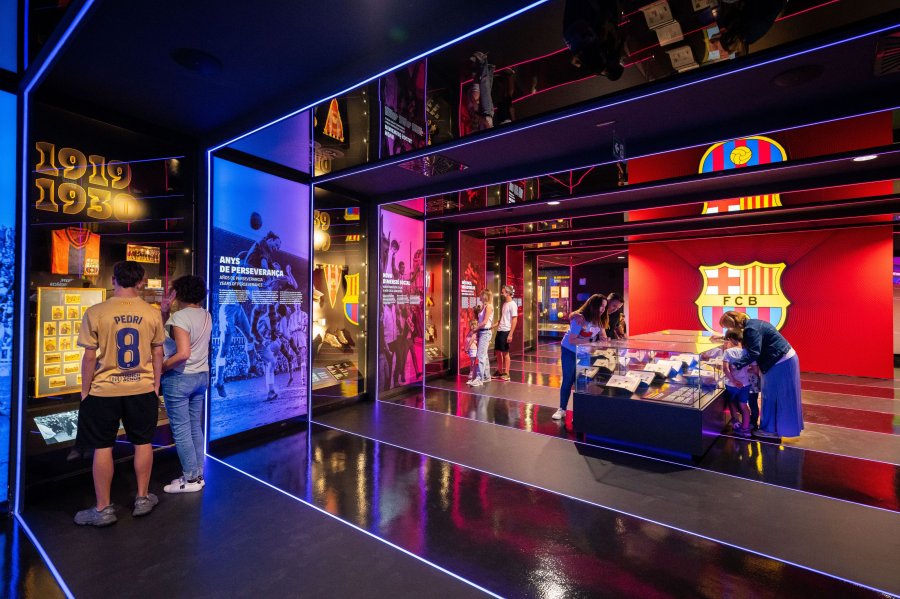
Another must-see attraction is the FC Barcelona Museum, a living account of the club’s century-long history and its close relationship with the city and its people. Photographs, historic objects and immersive technologies come together to guide visitors through a story of passion, achievement and commitment, showing how, through sport, FC Barcelona has become a symbol of community, identity and social cohesion.
These values are reflected in its sustainable management practices, including the application of an eco-fee on tickets to offset visitors’ CO₂ footprint; waste management and energy efficiency policies; and a strong commitment to universal accessibility, with visits designed for vulnerable groups and the introduction of sensory-friendly hours for people who require low-stimulation environments.
The FC Barcelona Museum demonstrates how sport can spark emotion, awareness and collective pride, and how these qualities can be harnessed to promote positive change.
Sport aligned with sustainability
Both institutions have been awarded the Destination Barcelona Commitment to Sustainable Tourism certificate, a recognition that endorses not only their responsible and inclusive management models, but also their efforts to spread these values throughout society.
When people move with purpose, cities become fairer, healthier and more sustainable. And these values are part of Barcelona’s heart and soul.
Find out more at www.museuolimpicbcn.cat and www.fcbarcelona.cat